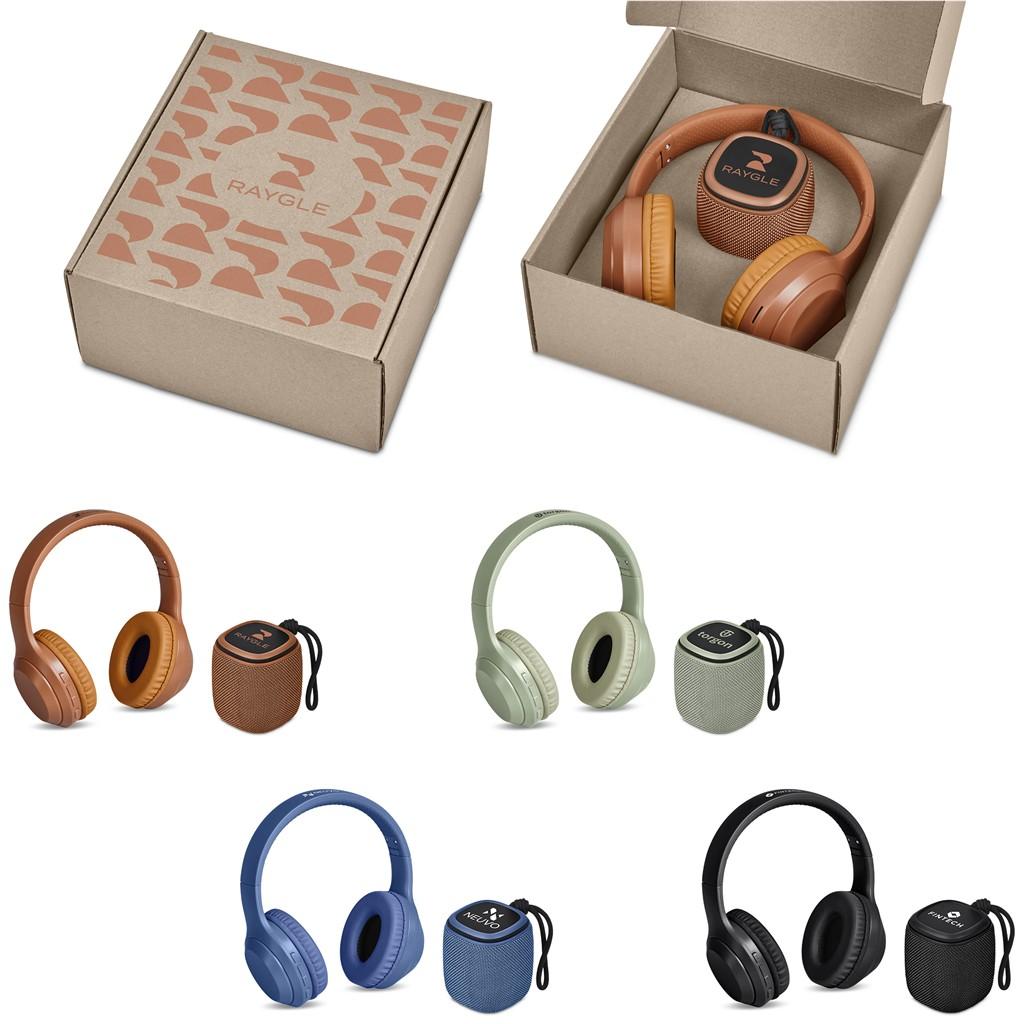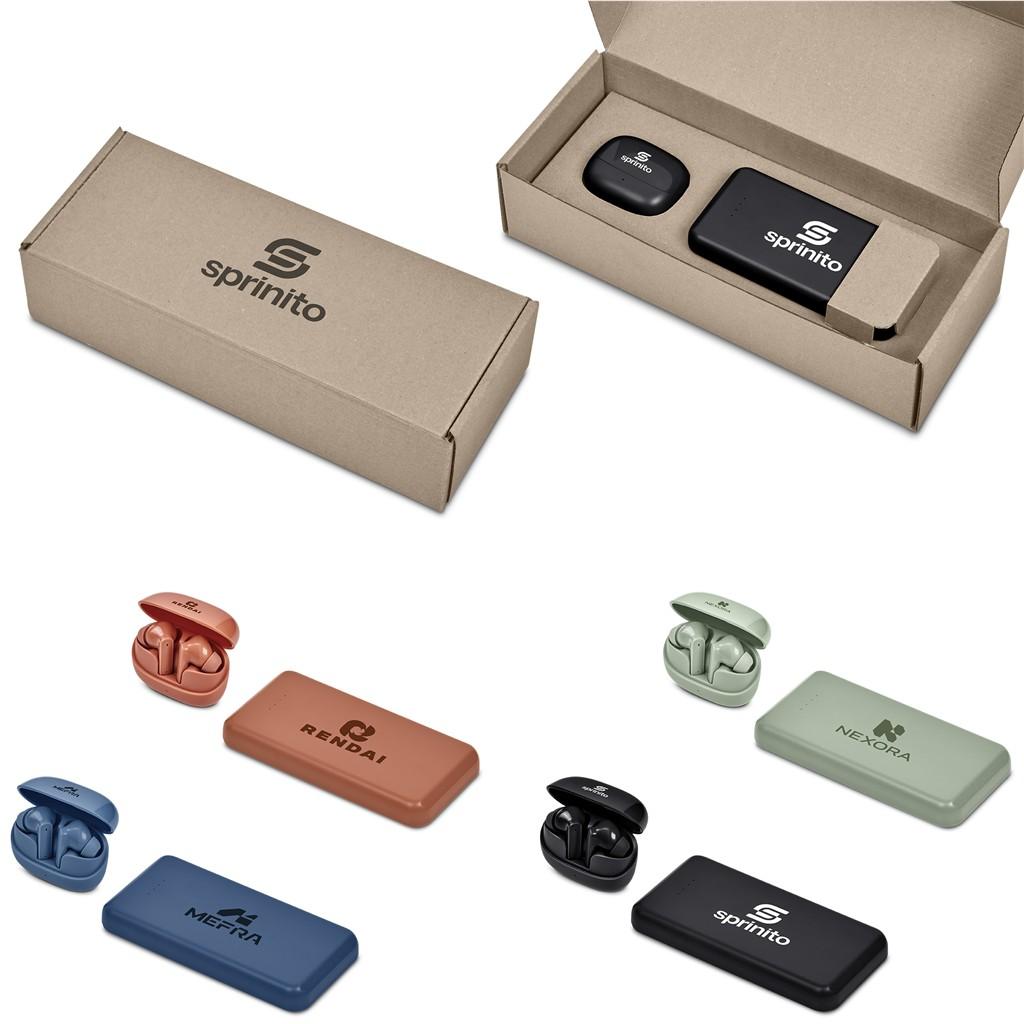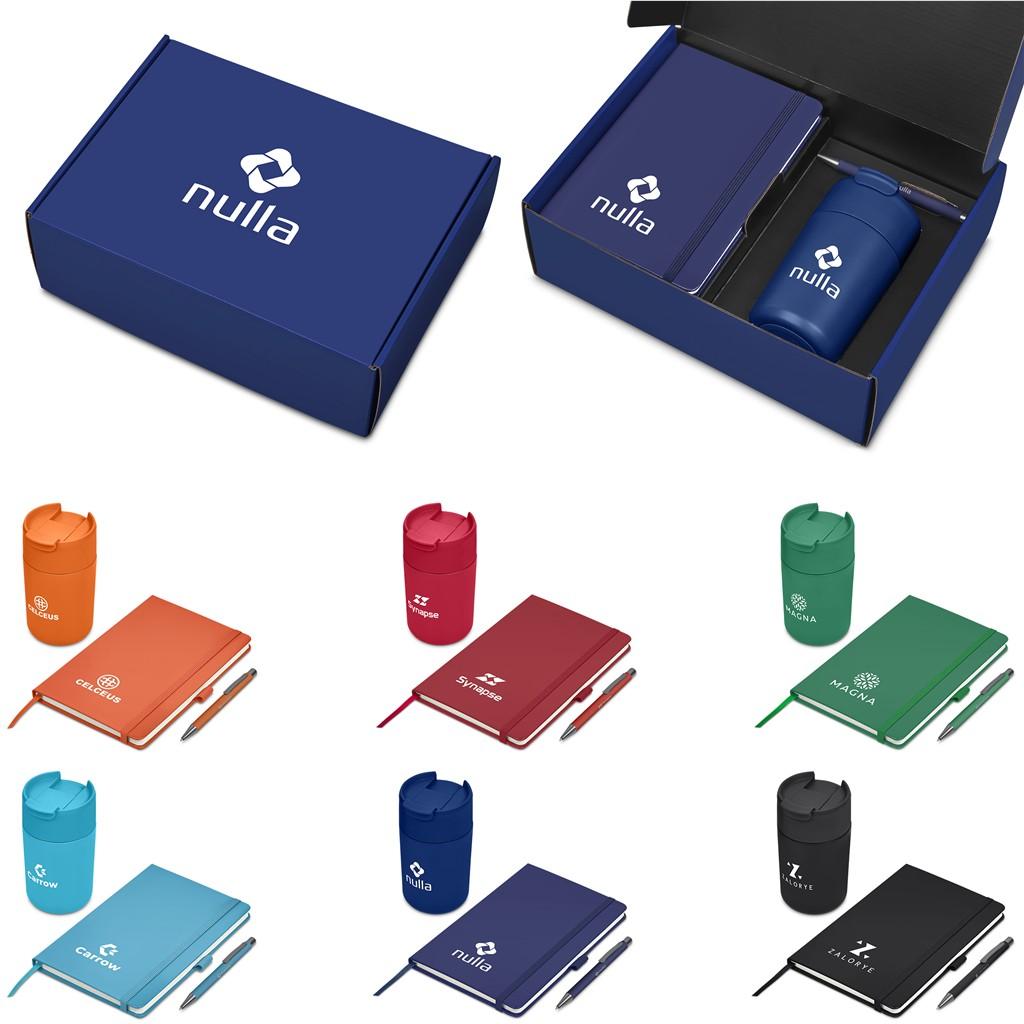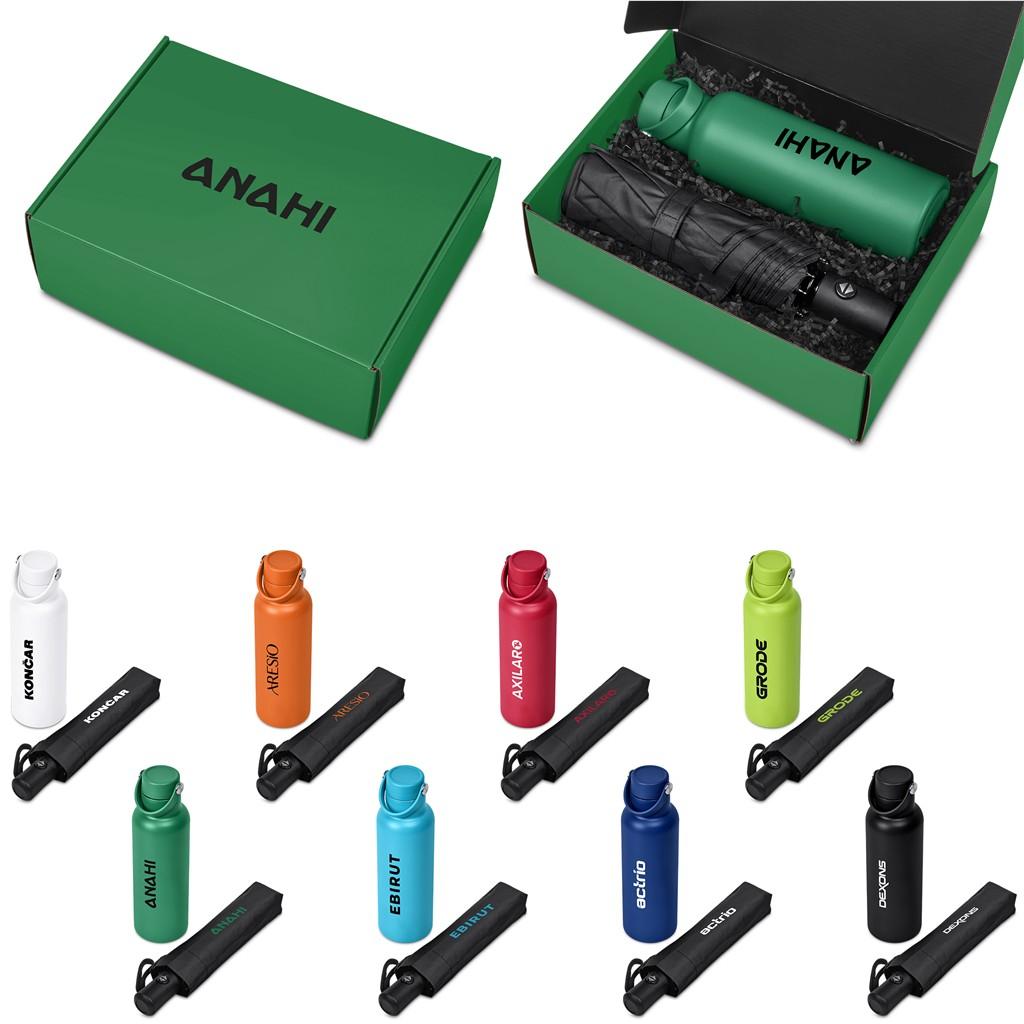

A thoughtful onboarding kit can meaningfully shape a new hire's first impression. A bad one signals "we do not really care." This guide covers exactly what to include, what to spend, and how to order onboarding kits at scale in South Africa without turning HR into a procurement function.
Why onboarding kits matter
The first week is where most new hires decide whether they are staying long term. A well-thought-out kit communicates: this company is organised, welcomes you, and has invested in you. The actual items matter less than the consistency and the thought behind them.
Core items that work well
Not every kit needs to be elaborate. Most successful onboarding kits include:
- Branded notebook and pen: useful on day one, signals the company invests in quality tools.
- Reusable water bottle or coffee cup: used every day, high perceived value.
- A quality t-shirt or polo: optional but effective for team identity.
- Tech accessory: laptop sleeve, cable organiser, or a small power bank.
- Welcome card: hand-written or signed by the manager. Low cost, high impact.
Optional upgrades for senior or specialised roles
- Leather or faux-leather folio
- Premium drinkware set
- Wireless charger or quality earbuds
- Desk accessories (branded mousepad, desk mat)
Budget benchmarks in ZAR
- Entry-level kit (notebook, pen, bottle, t-shirt): R350 to R550 per kit.
- Standard kit (above plus tech accessory and branded tote): R600 to R950.
- Senior kit (leather folio, premium drinkware, tech upgrades): R1 200 to R2 500.
Branding: keep it subtle for onboarding
Subtle branding works better than loud branding on onboarding items. A new hire will use the items daily if they feel owned, not like free corporate marketing. Embroidered logos on apparel, laser-engraved logos on drinkware, and debossed logos on leather all deliver premium feel.
The ordering problem HR teams hit
HR usually orders onboarding kits one of two ways, both broken:
- One big batch a year: stock sits in a cupboard, goes out of date, gets lost when someone changes office.
- Per-hire purchase orders: a week of admin per new hire, and new hires often start before their kit arrives.
The better approach: trigger-based kits
The modern approach uses a corporate store or a pre-built kit that HR can trigger when a new hire accepts an offer. Kits are pre-configured, pre-branded, and pre-priced. HR raises no purchase order, writes no brief, and chases no supplier. The kit arrives at the new hire's home before day one.
How Brandful handles this
Brandful's Kit Builder lets you bundle multiple products into a standard onboarding kit once, then reorder the same kit in one click for every new hire. For bigger companies, the kits sit inside a corporate store where HR has its own budget and visibility.
Practical checklist
- Standardise the kit contents. Do not reinvent for every hire.
- Include at least one item new hires will use on day one (notebook, bottle).
- Brand subtly. Embroidery, engraving, debossing beat loud prints.
- Ship to the new hire's home 2 to 3 days before start date.
- Include a physical welcome card signed by their manager.
Ready to stop treating onboarding kits as a project every single time? Build your kit once and reorder it in seconds.
Enjoyed this article?
Subscribe to get the latest insights on branded merchandise and promotional products.