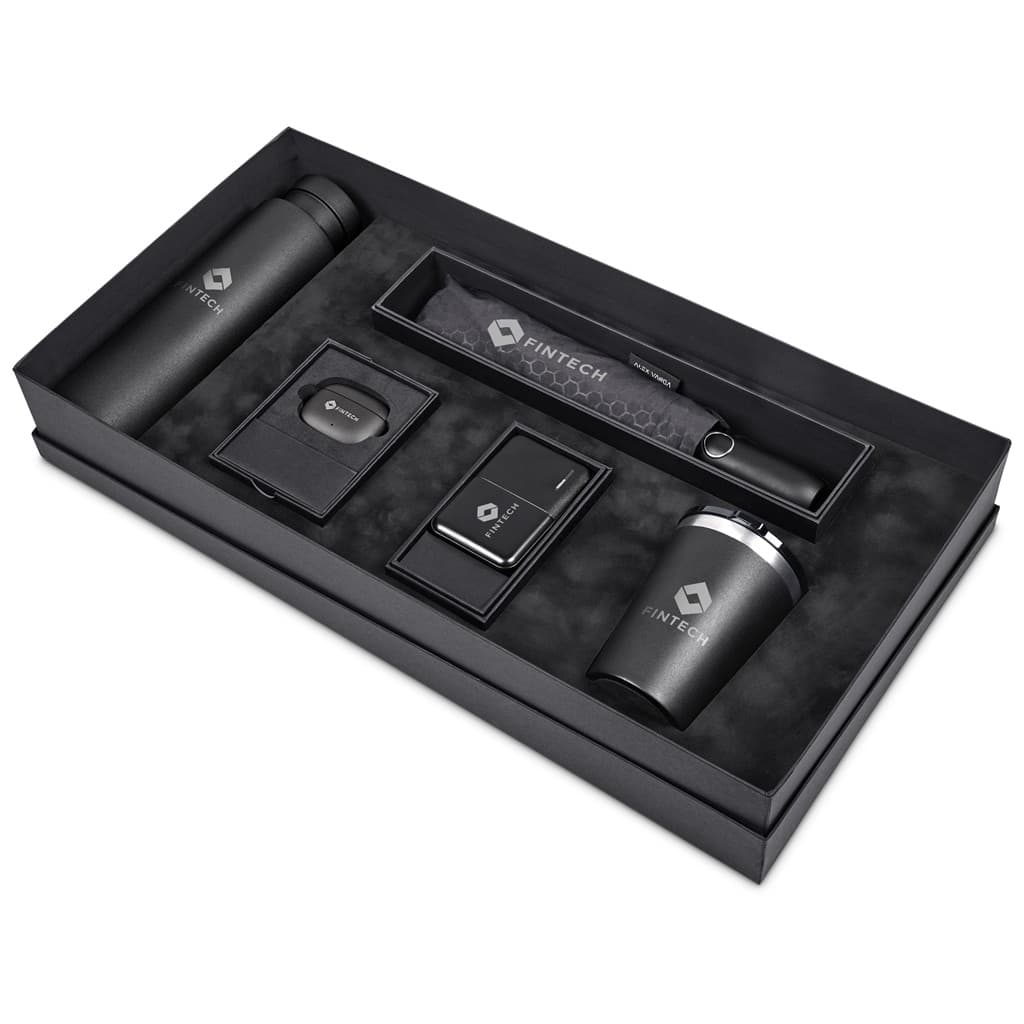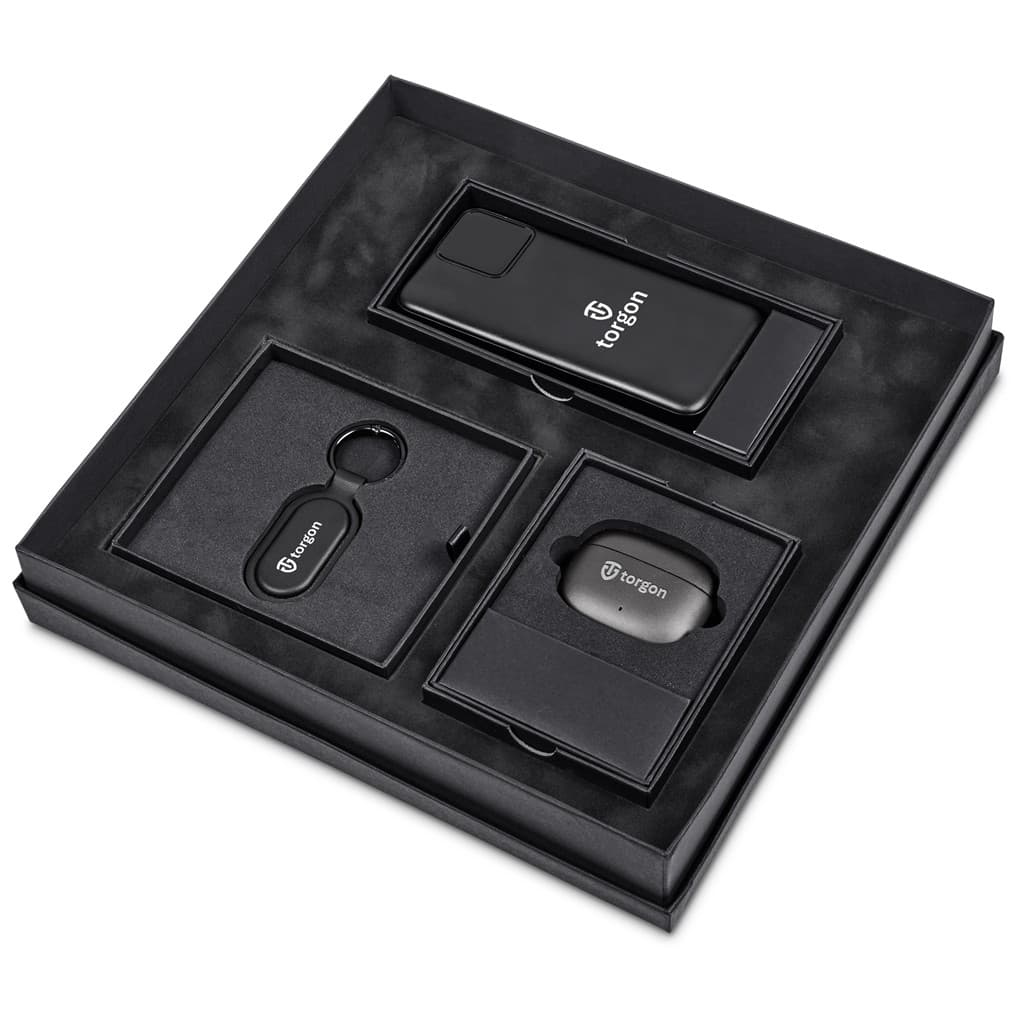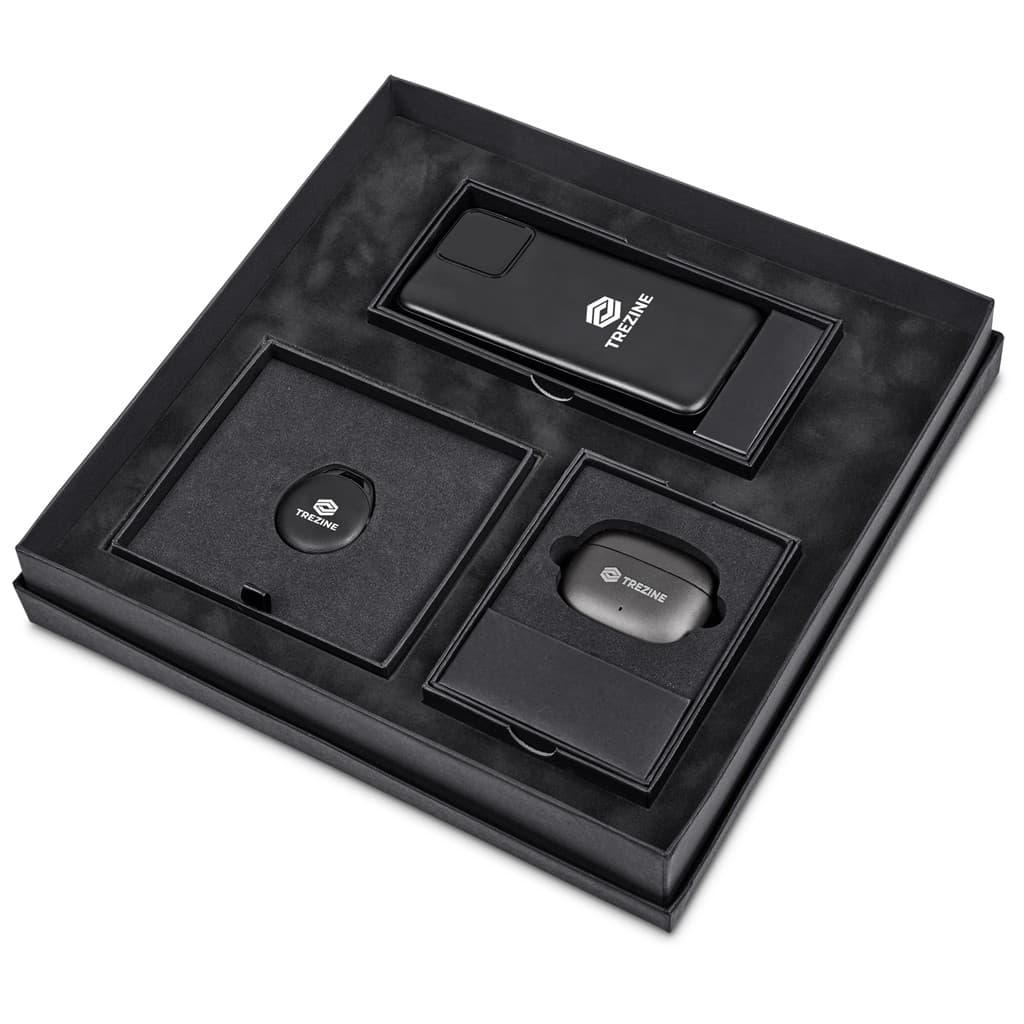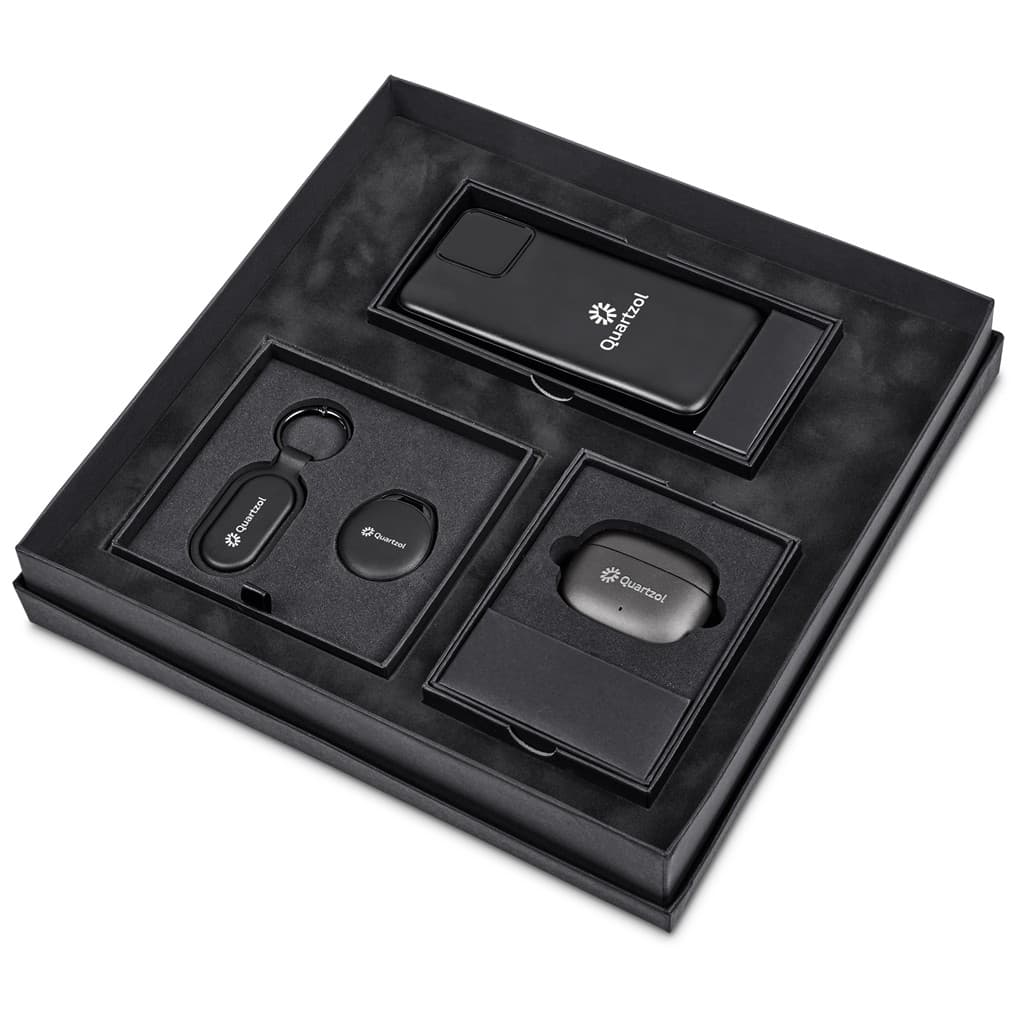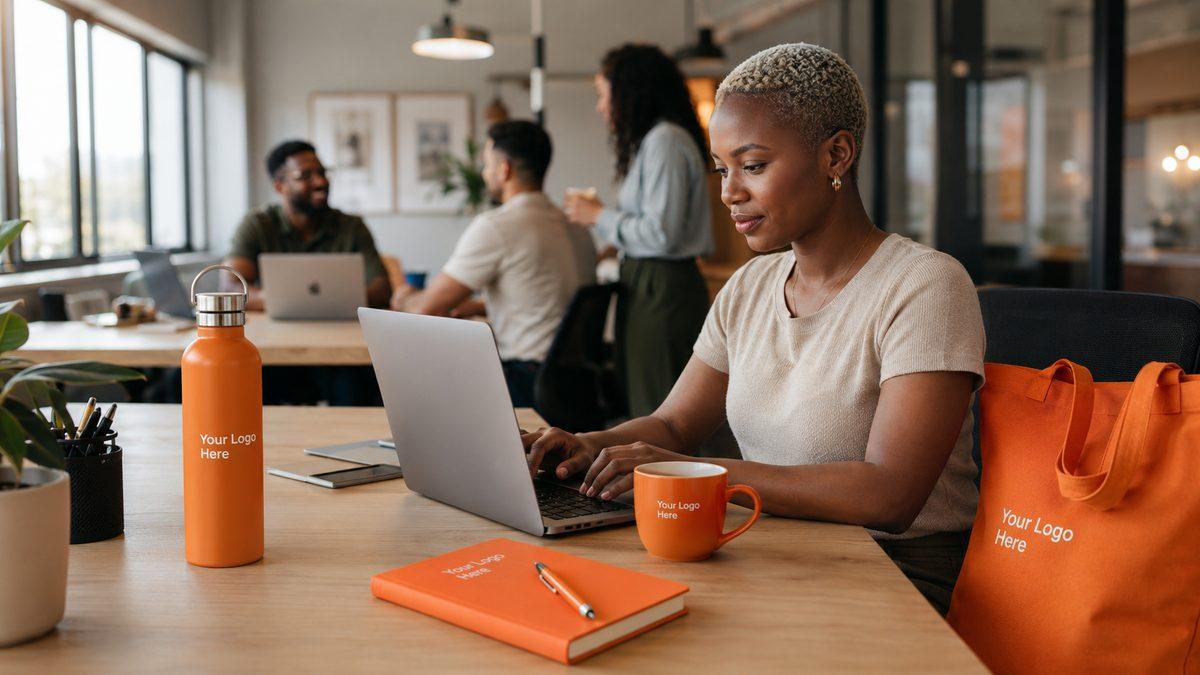
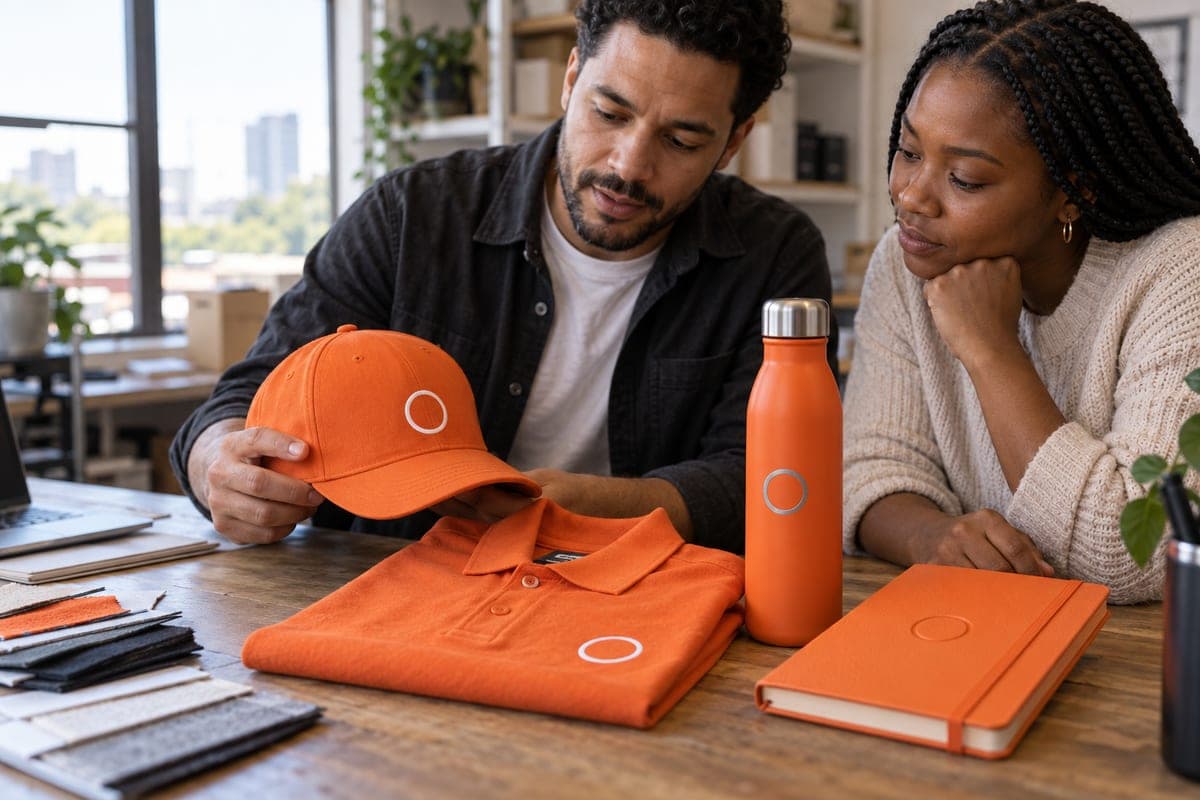
The same logo looks different on a cap, a shirt and a bottle because each product has its own material, branding area and branding method. Embroidery builds the design in thread, printing applies ink or a transfer, and engraving or debossing marks the surface itself. Checking what is viable on each product, starting from good artwork, is how you get a consistent result.
Your logo looks sharp on screen. Now you want it on staff shirts, caps, notebooks and bottles.
Same artwork. Different surfaces. Different branding methods.
Getting a consistent result starts with checking how the logo can be reproduced on each product. The material, available branding area, artwork and method all influence the finished appearance.
That’s why choosing the branding is part of choosing the product.
Start with what’s viable
Before recommending a method, Brandful looks at your product, artwork, quantity and budget. We also check whether the branding you want is viable on that particular item.
A logo placement that looks good in a presentation may be difficult to produce on the actual product. Seams, curves, texture and the available branding area all need consideration.
The earlier we check these details, the easier it is to find a suitable combination.
Different methods create different finishes
Brandful offers DTF printing, embroidery, screen printing, laser engraving, debossing, foiling and pad printing. Embroidery and DTF transfers are done by Brandful; other branding methods are applied by our branding partner.
Each method gives the artwork a different finish.
Embroidery builds the design in thread. Printing applies the design using ink or a printed transfer. Debossing creates a recessed impression, while foiling adds a foil finish. Laser engraving changes the product’s surface, with the appearance depending on the material and coating.
These differences are part of the method. A logo embroidered on a cap will have a different texture from the same logo printed on a shirt.
We help you choose an approach that suits both the product and the look you want.
Why colours can look different
A colour on a lit screen can look different when reproduced in ink, thread or foil. The product’s own colour and texture can also influence how the branding appears.
Engraving is a different case again: the result depends on the surface being engraved, rather than simply printing your logo’s original colours.
If your business has brand guidelines or specific colour references, send them with the enquiry. That gives us a clear reference when assessing the available options.
Where colour or finish is especially important, discuss a physical pre-production sample before committing to the full run.
The artwork file matters
One of the most common issues we receive is a JPG logo or artwork that hasn’t been vectorised.
A JPG is made of pixels. Enlarging a small image can reveal blurry or jagged edges. Vector artwork uses paths that can be resized without that same loss of sharpness, making it useful for many branding processes.
Simply saving a JPG inside a PDF doesn’t turn it into vector artwork. The file extension can dress up, but the pixels are still going to the party.
Send the original logo files from your designer if you have them. We’ll assess what’s usable for the chosen branding method.
Small text, fine details and gradients may also need consideration at the actual branding size. Something that looks clear across a laptop screen can become difficult to reproduce on a small item.
Can Brandful help redraw a logo?
Yes. We can help redraw artwork when the supplied file isn’t suitable.
More complicated logo redraws are charged at R250 per hour. We’ll discuss the work and applicable charges with you before proceeding.
Any proposed simplification or adjustment needs your approval. Your logo represents your business, so changes should be deliberate and agreed.
You receive a layout before production
On standard orders, Brandful always provides a digital branding layout first. Rush orders are the exception: they are branded without a layout proof, as our Rush Order Terms explain.
Take a moment to check the logo version, spelling, placement, dimensions and any names or other details. If something needs changing, this is the time to raise it.
A digital layout shows the proposed branding arrangement. It can’t fully reproduce the texture, material or physical finish of the completed item.
Customers can also request a pre-production sample, often called a prepro sample. This lets you assess the physical result before the full production run. Ask us to confirm the sample requirements, costs and timing for your order.
Send us the logo before you settle on the product
If you’re unsure which branding method to choose, send us:
- Your original logo file.
- The product or products you’re considering.
- Your quantity and budget.
- Your preferred branding size and placement.
- Brand guidelines or colour references, if available.
- Your required delivery date.
We’ll assess the options and recommend branding that suits the artwork, product and application.
Request a tailored quote and let’s get your logo working properly on the products you choose.
Branded merchandise, done properly.
Enjoyed this article?
Subscribe to get the latest insights on branded merchandise and promotional products.